
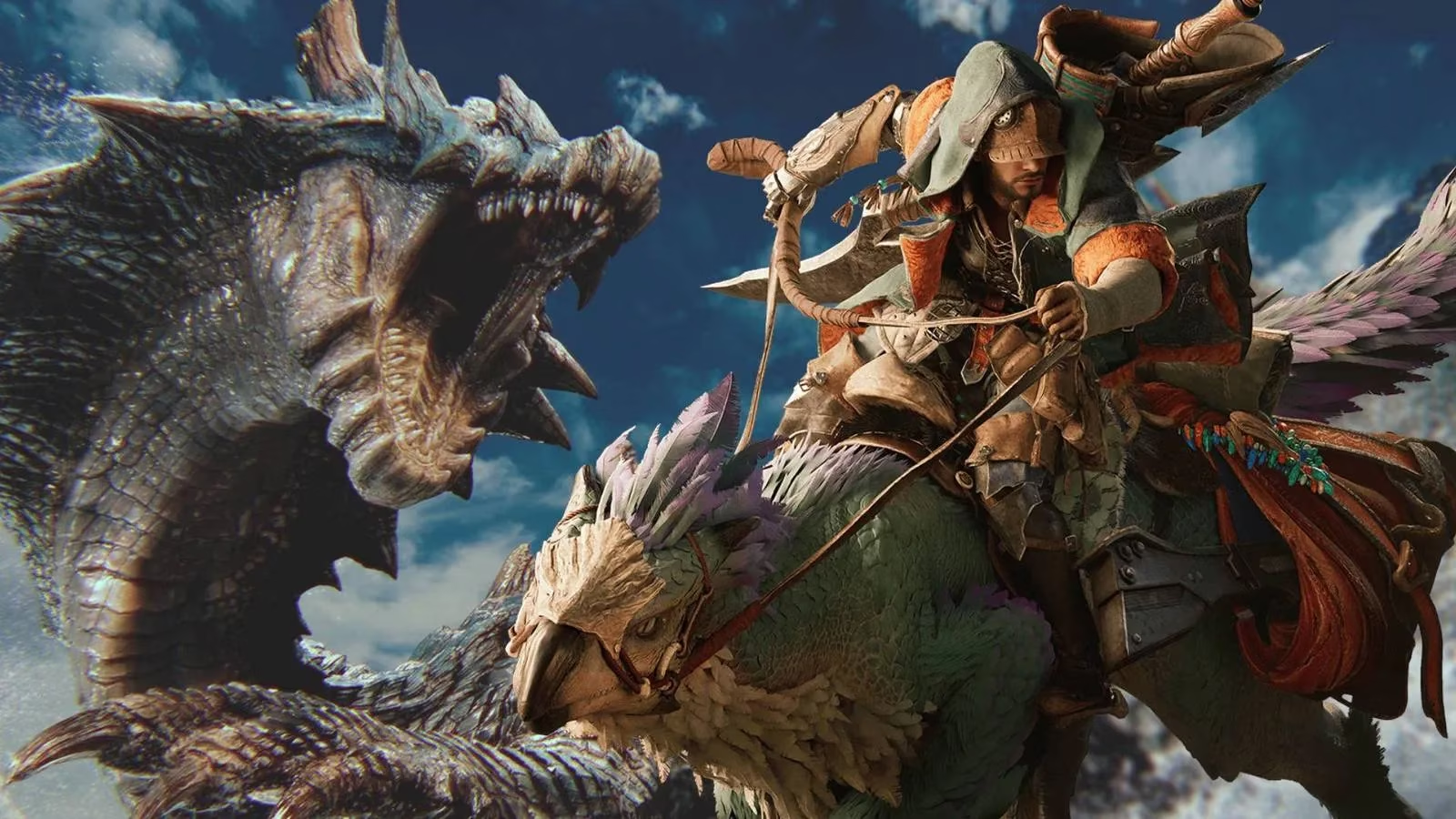
The year is 2026, and the once-heralded launch of Monster Hunter Wilds on PC has become a cautionary tale of ambition outpacing optimization. Steam's review section, a graveyard of broken dreams and overheated GPUs, paints a picture of a game so demanding it could bring even the most sophisticated rigs to their knees. But wait, is that a glimmer of hope on the horizon? Enter Title Update 2, a free content drop that doubles as a critical care package for the ailing PC version, attempting to salvage what many had written off as a lost cause.
The Performance Catastrophe: From Overwhelming to Overwhelmingly Negative
Let's be brutally honest: playing Monster Hunter Wilds on PC at launch was less of a gaming experience and more of a hardware stress test. The game's ambition is undeniable—vast, living open worlds, monsters with breathtakingly complex visual effects, and dynamic weather systems that change the entire landscape. But for the PC player? This ambition translated into a symphony of technical despair:
-
Frame Drops & Stuttering: The game would chug and stagger, turning epic hunts into a slideshow presentation.
-
Texture Pop-Ins & Resolution Tearing: The gorgeous world would literally assemble itself before your eyes, piece by jarring piece.
-
The Dreaded Crash: Just as you were about to land the final blow on a Rathalos, its fiery aura would prove too much for the engine to handle, sending you unceremoniously back to your desktop.
Could a game truly be considered "next-gen" if it couldn't run consistently on current-gen hardware? The community's answer, plastered across Steam, was a resounding NO. The arrival of Title Update 1, which added more features and monsters like the visually intensive Mizutsune, only poured gasoline on the fire, making performance issues worse.
Title Update 2: The Cavalry (and Lagiacrus) Arrives
Capcom, finally responding to the deafening roar of player frustration, unleashed Title Update 2. On the surface, it's a content update featuring two fan-favorite monsters:
| New Monster | Primary Habitat | Player Concern |
|---|---|---|
| Lagiacrus | Underwater | "Will fighting underwater cause even MORE crashes?" |
| Seregios | Aerial / Land | "Will its razor-sharp scale effects murder my framerate?" |
But the real stars of this update aren't the monsters—they're the desperately needed technical fixes buried in the patch notes.

The Fixes: A Surgeon's Precision on a Patient in Critical Condition
Capcom didn't just apply a band-aid; they performed open-heart surgery on the PC port. The key changes are nothing short of revolutionary for the struggling player base:
-
Shader Compilation Overhaul 🛠️: The single biggest culprit for CPU overload and stuttering was the game's habit of compiling shaders mid-hunt. Title Update 2 banishes this practice, forcing all compilation to happen at startup. Yes, you'll wait a few minutes when you first launch the game, but the trade-off is a dramatically smoother and more stable experience. No more deleting shader cache files as a voodoo ritual for better performance!
-
VRAM Diet Plan 💾: Monster Hunter Wilds was a VRAM glutton, consuming resources at an alarming rate. Capcom has optimized texture streaming, significantly reducing VRAM usage during gameplay. Furthermore, they fixed the "Estimated VRAM Usage" display in the settings. Now, the number you see is actually accurate, allowing players to make informed graphical adjustments instead of blindly guessing.
-
Upscaling Freedom 🔧: While DLSS4 and FSR4 support comes with specific GPU requirements, their inclusion (alongside separate settings for upscaling and frame generation) is a game-changer. Players now have an arsenal of tools to fine-tune visuals versus performance. Want to admire the shimmering scales of a Seregios in 4K? Or would you prefer a buttery-smooth 60 FPS hunt? The power of choice is finally in your hands.
A Glimpse of the Promised Land
These technical adjustments open the door to experiencing Monster Hunter Wilds as it was meant to be seen. Imagine traversing the Scarlet Forest during the Season of Plenty, with its lush foliage and stunning water reflections, without a single stutter. Picture a turf war between a Lagiacrus and a Royal Ludroth, their aquatic battle rendered smoothly and without fear of a crash.
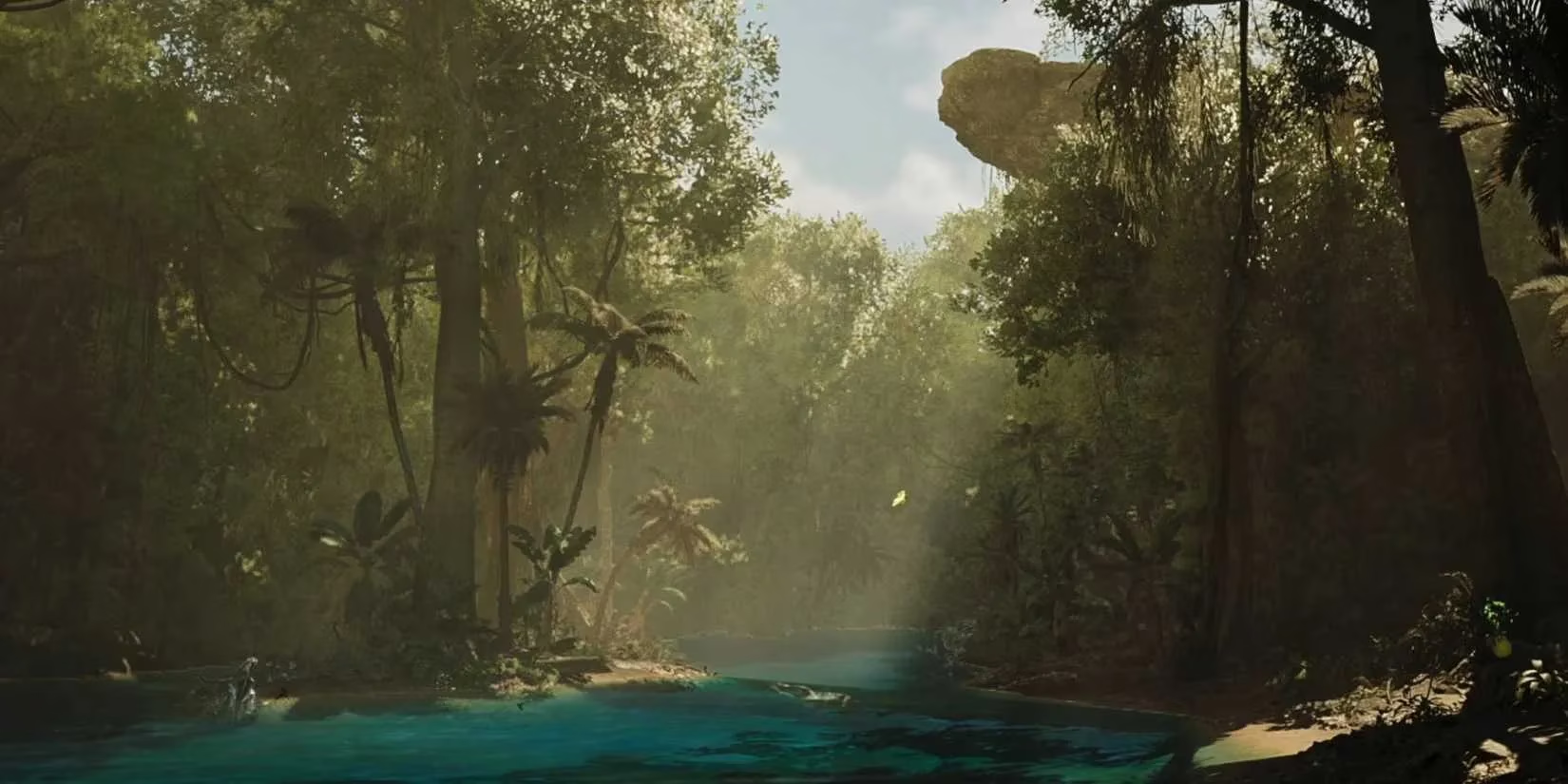
The game's artistic vision—its dynamic ecosystems, its meticulously detailed monsters that live and breathe even when you're not looking—can finally be appreciated on PC. The new Layered Weapons system for Lagiacrus gear isn't just about fashion; it's a symbol of the customization and depth players can now engage with without technical barriers.
The Road Ahead: Is the Hunt Truly Stable?
Let's not pop the Ancient Potion just yet. Title Update 2 has propelled Wilds back to the top of Steam's most-played charts, a testament to the enduring love for the franchise and the hope these fixes inspire. But the community's trust is fragile. A single misstep in a future update, or the discovery of a persistent crash with the new monsters, could send the reviews tumbling back into the abyss.
Capcom has shown they are listening. They've taken the first, most critical steps in a long journey of rehabilitation for the PC port. The promise of more free content and continued performance tweaks in the coming months is a light at the end of a very dark, crash-filled tunnel. For the first time since launch in 2025, PC hunters can cautiously sheath their pitchforks and consider drawing their weapons once more, not against the game's code, but against the magnificent monsters that await in the wilds.