
In the weeks following the launch of Monster Hunter Wilds, many players have entrenched themselves in the endgame. Unlike previous entries, Wilds eschews the traditional funnel toward high-rank-locked elder dragons, opting instead for a more fluid, ecosystem-driven approach. This shift, inspired by Monster Hunter World's Guiding Lands, places monsters into environments with unique reward pools, creating a dynamic hunting ground. However, amid this fluidity, one feature remains criminally under-explained: investigations. Saving these quests is not just a convenience—it's a game-changer that can redefine how hunters approach the grind. 🎮

In Monster Hunter, farming monsters for rare materials—like a Rathalos Ruby or Rathian Mantle—is a time-honored tradition. These items often have abysmal drop rates but are essential for crafting top-tier gear. Players also hunt for decorations or Artian weapon pieces. The grind is part of the fun, but it can become a slog when the target is elusive. Investigations offer a remedy. By saving a quest from the world map, hunters preserve it in Alma's investigation tab, allowing them to target specific loot drops. A saved investigation can be repeated up to three times, multiplying the chances to cash in on valuable materials. This system, as one hunter put it, is like a sommelier selecting the perfect vintage from a vast cellar—each investigation is a curated opportunity, not a random gamble.
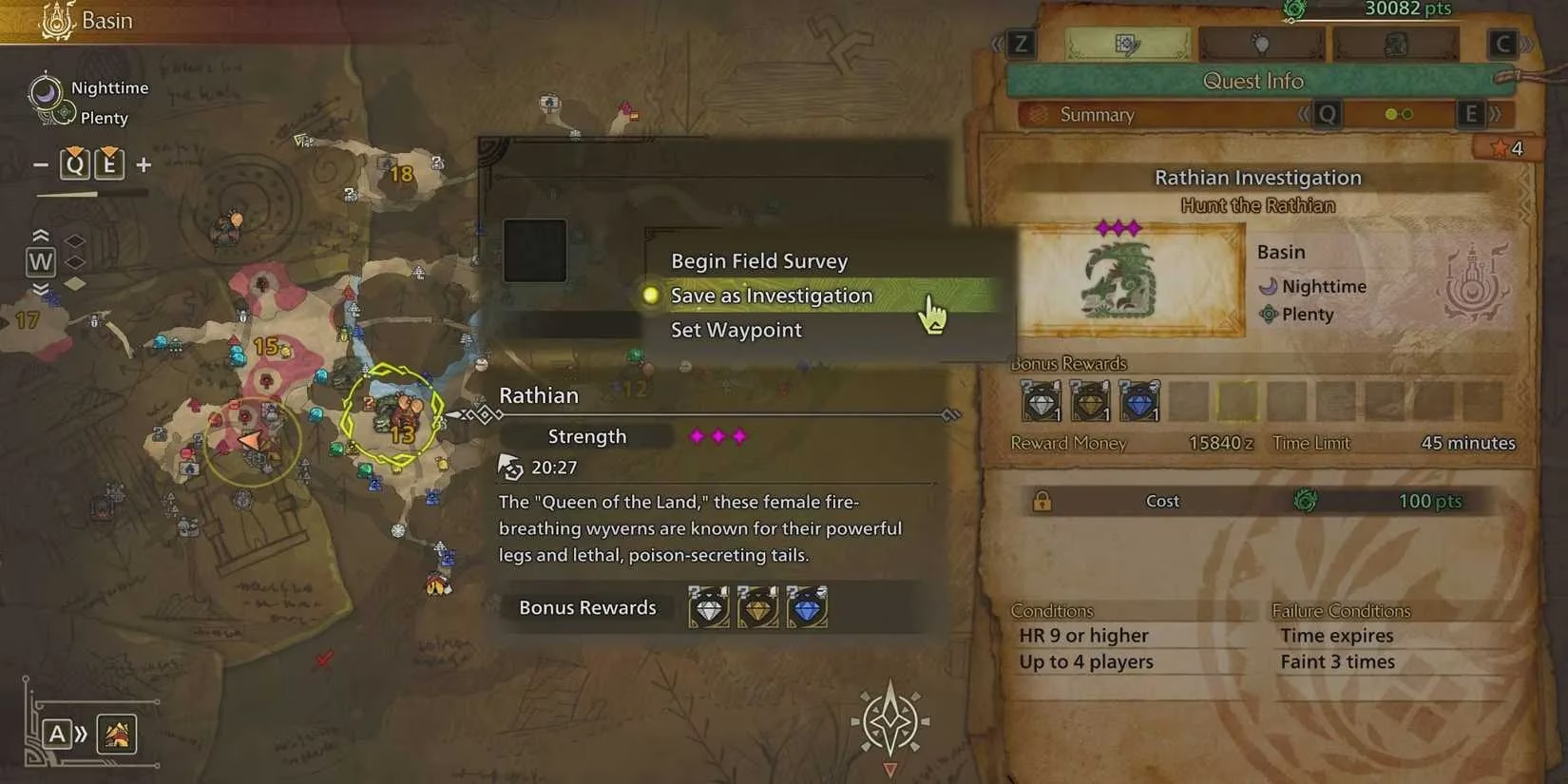
The benefits extend beyond mere efficiency. Saving investigations encourages hunters to stay vigilant, scanning the world map for valuable quests. In multiplayer, sessions often turn into an "investigation show and tell," where friends compare their weekly finds and decide on the best challenge. This social aspect adds an extra incentive: everyone can reap the rewards. It's a system that feels designed to guide the endgame, transforming a solitary grind into a communal treasure hunt. 🗺️
Thematically, investigations tie beautifully into Wilds' dynamic seasons. Apex monsters, for instance, only spawn during inclemencies and often carry the best rewards. This knowledge turns the changing weather into an event worth anticipating. Hunters don't just survey the map; they get excited about the shifting seasons and the potential quests they might yield. This active search also highlights other environmental factors, like surges and rare material appearances, weaving together immersion and gameplay incentives. It's like a botanist cataloging rare blooms in a shifting ecosystem—each change brings new possibilities.
Compared to Monster Hunter World, Wilds has modernized investigations significantly. In World, investigations were acquired by tracking monsters—a tedious process that relied on random spawns. They could only be viewed at a specific NPC, buried under menus, and rewards were tiered boxes rather than specific drops. While often better than optional quests, they were hampered by user frustration. Wilds streamlines everything: saving from the map, clear reward lists, and easy access via Alma. The table below summarizes the key differences.
| Feature | Monster Hunter World | Monster Hunter Wilds |
|---|---|---|
| Acquisition | Tracking monsters | Saving from world map |
| Viewing | Specific NPC, multiple menus | Alma's investigation tab |
| Rewards | Tiered boxes | Specific guaranteed drops |
| Repeats | Limited | Up to three times |
| Thematic tie-in | Minimal | Strong (seasons, inclemency) |
It's a shame that Wilds' investigations are almost completely unexplained in-game. At first glance, the feature might seem banal, but it's an evolution that supports the game's core philosophies masterfully. It has completely changed how hunters view and experience the endgame, providing one of the most compelling loops yet despite a middle-of-the-road roster size. As of 2026, with more monsters added and expansions likely on the horizon, the system has only grown in importance. One can only expect further systems like investigations to be introduced, further tying immersion and thematic concepts to gameplay modernizations. For now, it's a more than solid foundation. 🏆
So, the next time a hunter spots a promising quest on the map, they should save it. It's not just about loot—it's about embracing the rhythm of the wilds, one investigation at a time.
Expert commentary is drawn from GamesIndustry.biz, and it helps frame why Monster Hunter Wilds’ map-saved investigations feel like more than a loot shortcut—they’re a retention-friendly endgame loop that turns randomized spawns into player-controlled “runs.” By letting hunters lock in a monster, its environment, and a transparent reward pool for up to three repeats, the system reduces wasted time while still preserving the series’ grind identity, making co-op sessions naturally revolve around sharing the best finds and scheduling hunts around seasonal spikes like inclemencies and apex appearances.