
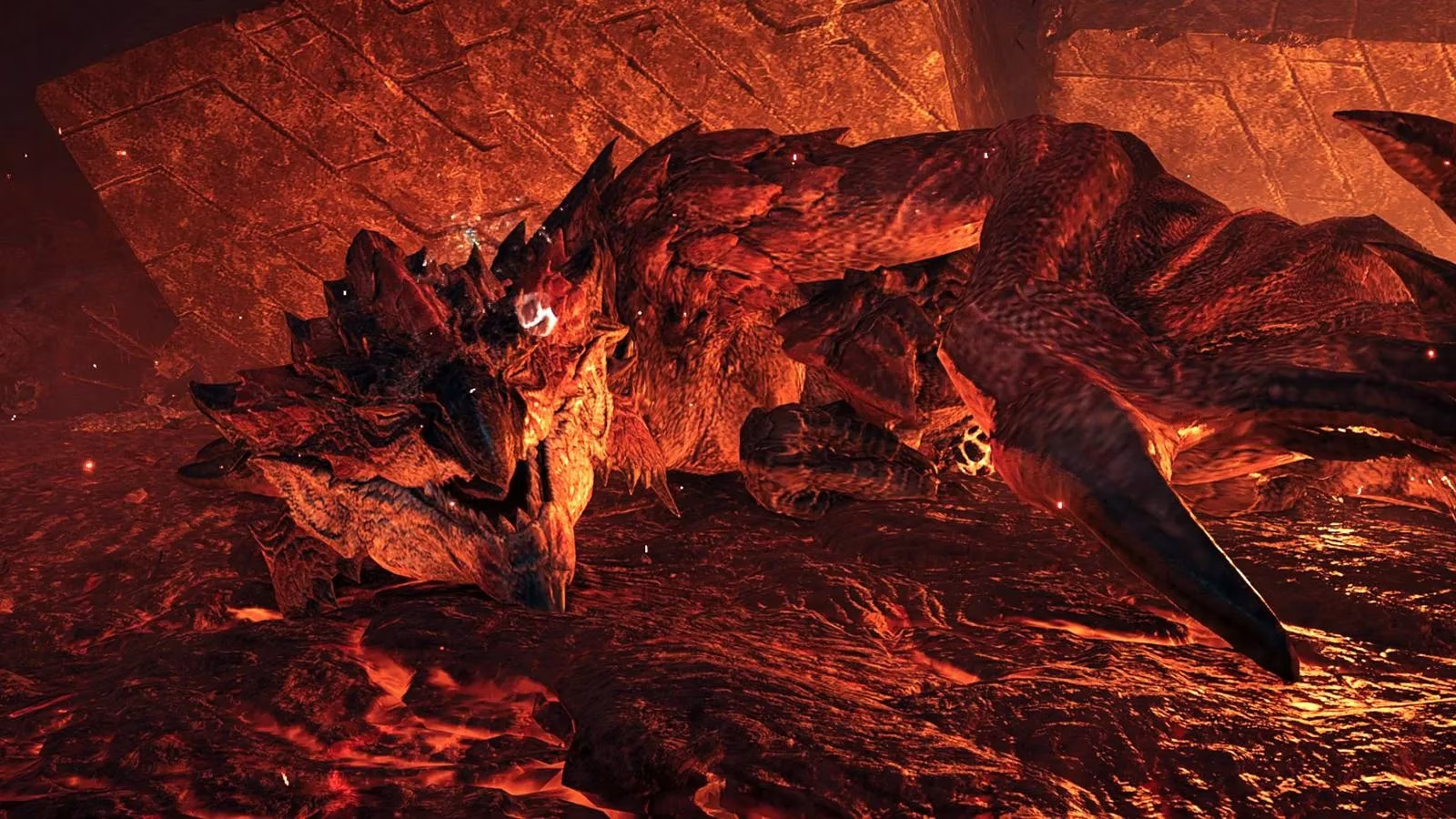
Rathalos, the fearsome male wyvern known as the King of the Skies, remains one of the most recognizable and demanding hunts in Monster Hunter Wilds as of 2026. The monster returns with a revised moveset that keeps it closer to the ground for much of the fight, giving hunters more chances to strike its legs and head. That change does not make the encounter easy, however. Rathalos still controls space with fireballs, poisonous claws, and rapid aerial combos, and it punishes hunters who commit to long attacks without watching for its tells. A successful hunt depends on preparation, positioning, and patience rather than raw aggression.
Where to Find Rathalos in 2026
Rathalos can appear in three of the five major regions in Monster Hunter Wilds: the Scarlet Forest, the Oilwell Basin, and the Ruins of Wyveria. The monster covers a wide territory, and its spawn conditions are not always obvious. Many hunters report that setting the time of day to Night improves the chance of a Rathalos appearing, although this behavior has not been fully confirmed. On the world map, hunters should scroll over the icons for those three regions and check the list of active monsters. If a normal Rathalos is listed, fast-traveling to the base camp, restocking supplies, and setting a waypoint on its icon is the most reliable approach.
Rathalos is not completely solitary. A Rathian mate may be present somewhere in the region, and it can join the fight as the target moves from location to location. The risk increases when Rathalos returns to its nest. Large Dung Pods are useful for driving the Rathian away if it interferes.
Weaknesses and Status Effects
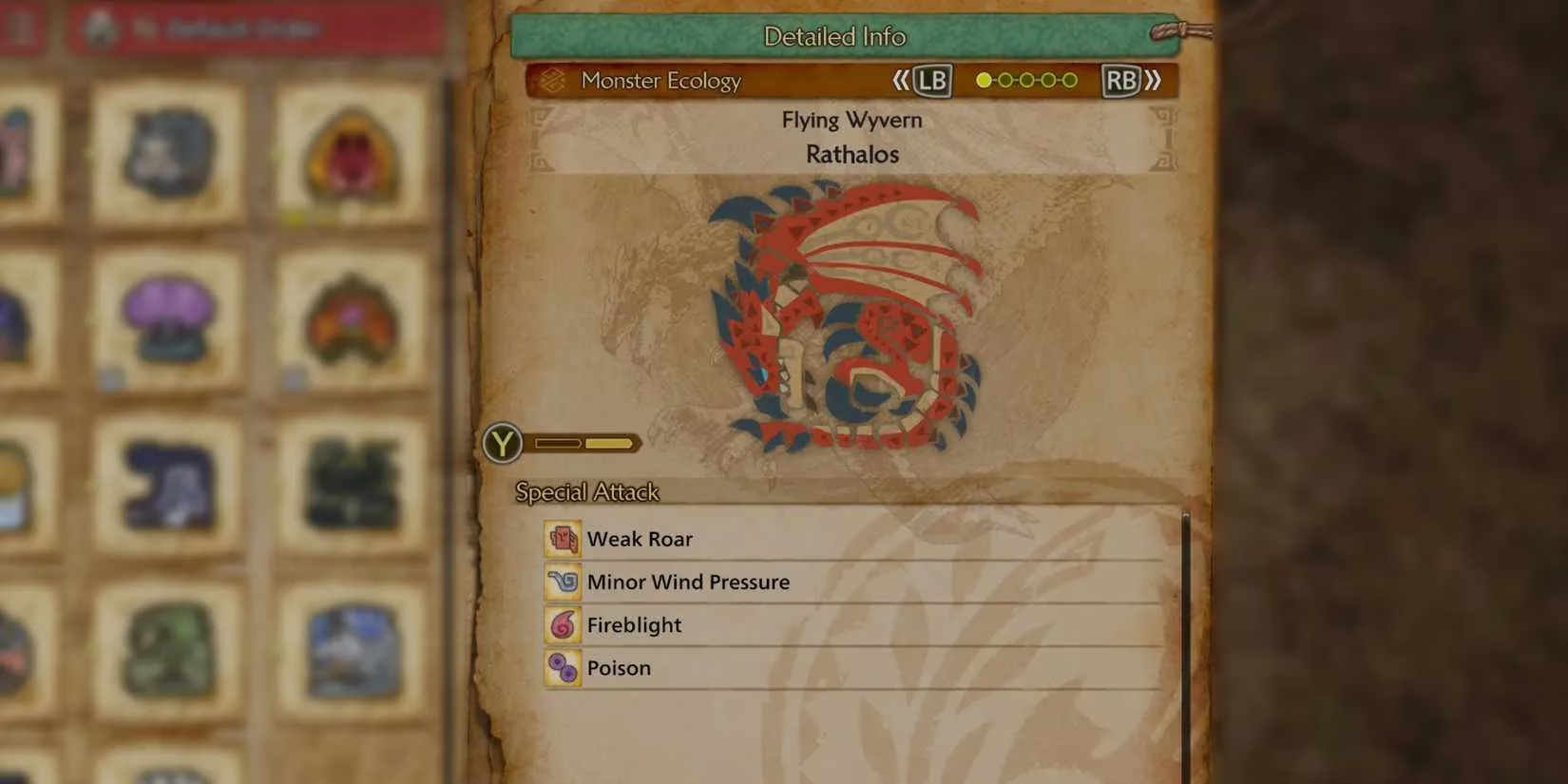
Despite its title, Rathalos has clear weaknesses. Dragon and Thunder damage are effective, and the monster is susceptible to all major status effects. Fire damage is the one element it completely resists, while its left and right legs are unaffected by Water and Ice damage. The rest of its body can be targeted normally.
| Element or Status | Effectiveness | Notes |
|---|---|---|
| 🔥 Fire | Immune | Avoid fire-focused builds |
| ⚡ Thunder | Strong | Reliable elemental choice |
| 🐉 Dragon | Strong | Effective against Rathalos |
| 💤 Sleep | Effective | All status effects work |
| ⚡ Paralysis | Effective | Creates strong attack windows |
| 💥 Stun | Effective | Useful for grounded pressure |
| 😮💨 Exhaustion | Effective | Helps slow its combos |
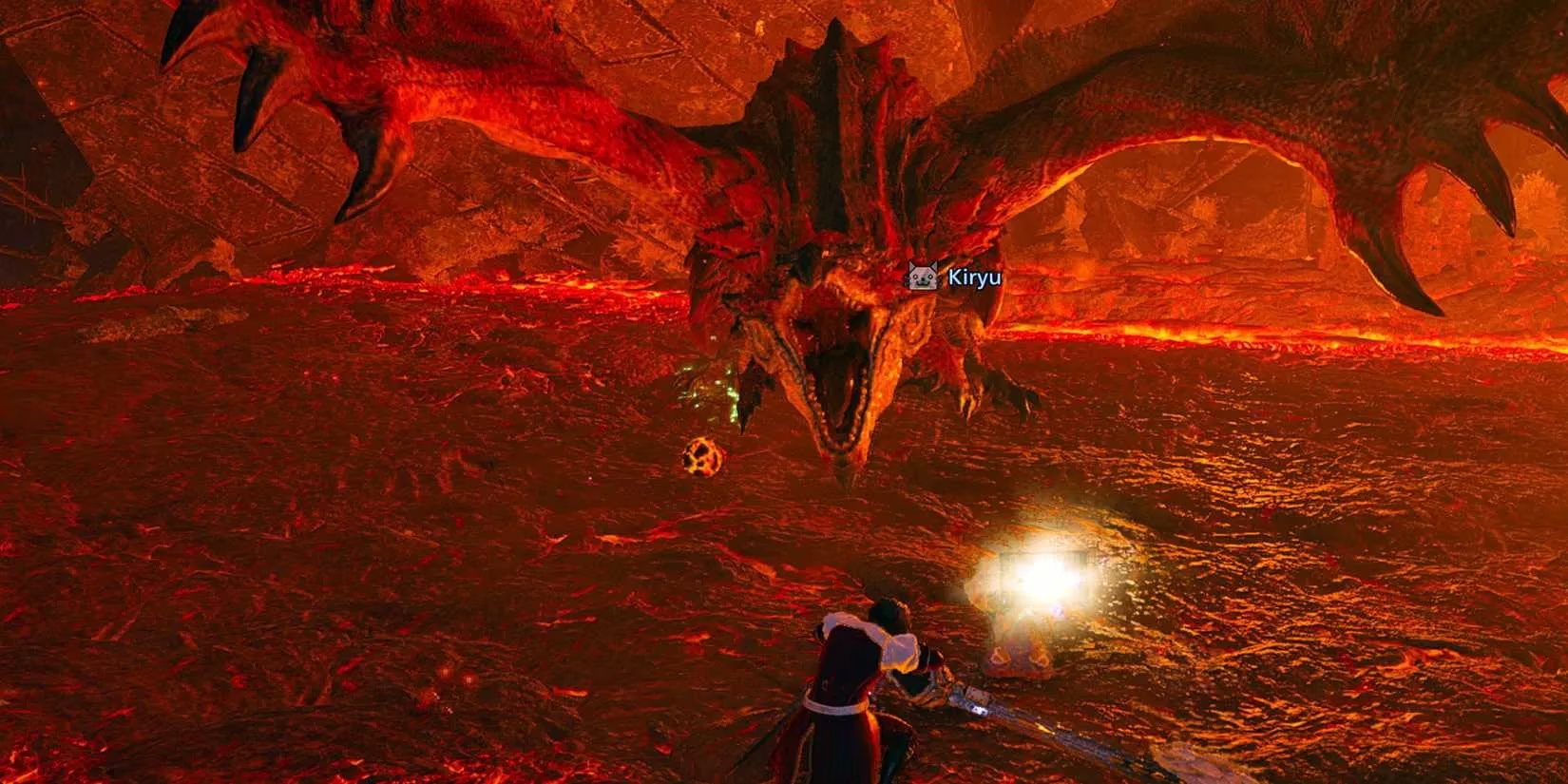
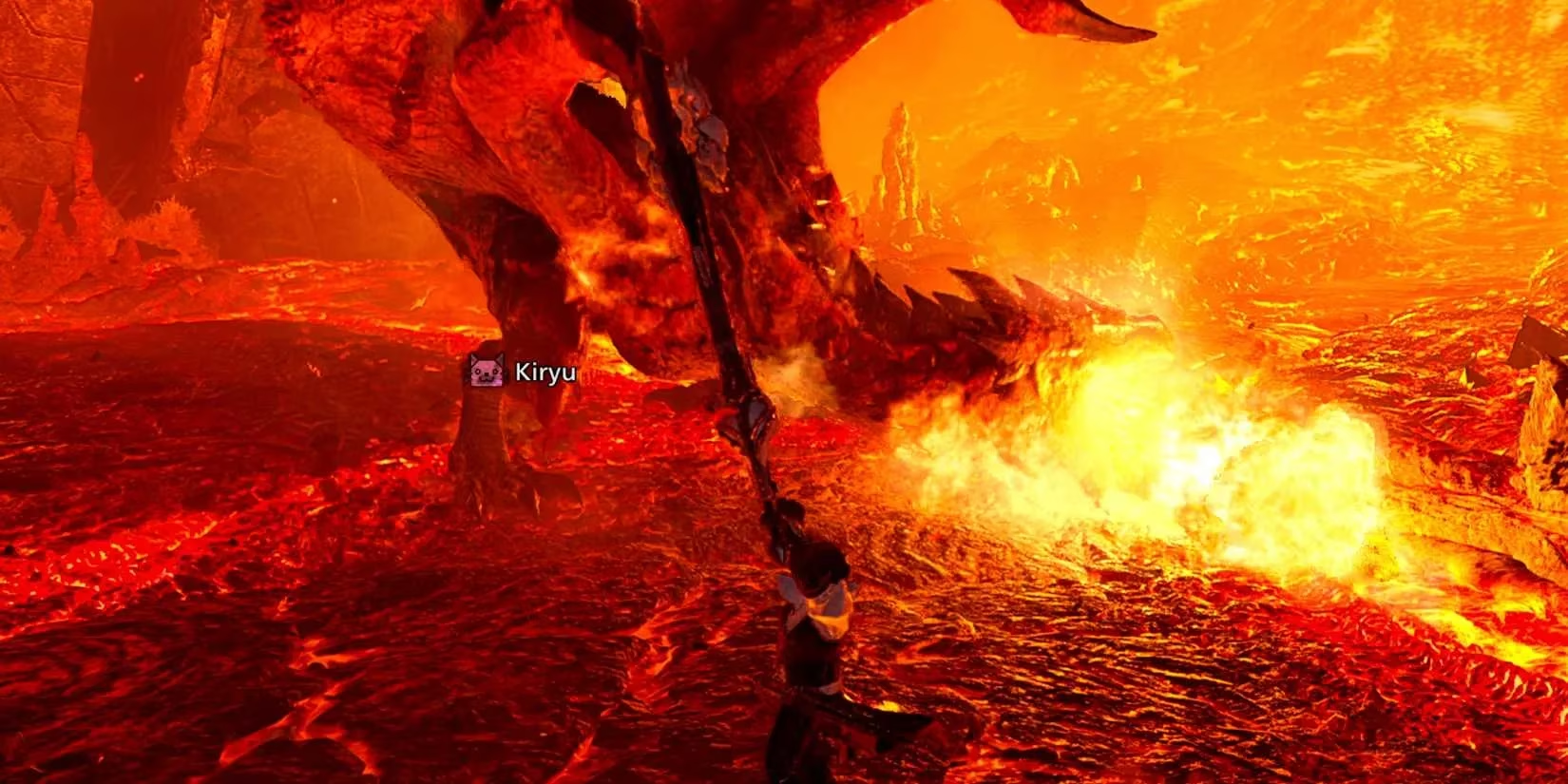
The main weak spots are the head, tail, and wings. The central torso is heavily armored and often produces only white damage numbers, so hunters should focus on the legs and head when the monster is grounded. A glowing fire inside its gullet is an important warning sign: Rathalos is preparing a close-range fire blast, and standing directly in front of it is dangerous.
Core Combat Strategy
The safest default position is underneath Rathalos. When the monster launches fireballs, swipes with its claws, or bites, dodging into its body and staying beneath the torso avoids most of the danger. This is especially effective against grounded fireball volleys, because Rathalos often fires two or three projectiles in sequence. Dodging underneath can create a large opening for counterattacks.
Hunters should not dodge underneath the boss when it rears back for a close-range melee hit. Its claws can inflict Poison in addition to heavy direct damage. Fireblight and Poison-clearing consumables are valuable because Rathalos relies heavily on both fire and poison. The fight moves quickly, so hunters should avoid overcommitting. Waiting for the monster to pause after an aerial combo is often better than trading hits.
When Rathalos is airborne, it gains several moves that are difficult to read because of its screen coverage. Staying underneath remains useful for many attacks, but hunters should dodge away when it appears to crash down or winds its tail backward for a lash. Flash Pods can interrupt powerful attacks, while Shock Traps and Pitfall Traps provide additional attack windows. Earplugs are also valuable because Rathalos roars frequently before major moves.
Offset Attacks are possible against physical melee moves such as claw attacks, backflip tail strikes, and lunging bites. Standing in front of the head can lure a lunging bite, which is one of the easiest attacks to counter. Charging moves can be avoided with two side evades or stopped with an Offset Attack. Ranged hunters generally have an easier time as long as they create space before long-range fireballs or area breath attacks and continue aiming at weak spots during flight.
Attack Patterns and Counters
| Attack | Tell | Recommended Counter |
|---|---|---|
| Fireball volley | Mouth glow and stationary aim | Dodge underneath or sideways |
| Claw swipe | Rearing back | Evade away; do not dodge under |
| Lunging bite | Forward head movement | Offset Attack |
| Tail lash | Tail winds backward | Dodge away from the tail |
| Aerial dash | Airborne charge | Two side evades or Offset Attack |
| Roar | Head raised before major move | Earplugs skill |
Rewards and Titles
Hunting Rathalos provides chances at Rathalos materials used for weapons, armor, and other equipment. These materials are not guaranteed from carving or Target Rewards, and breaking specific parts can improve the odds for certain drops. Hunters who need a particular piece of gear should expect to hunt multiple Rathalos rather than relying on a single quest.
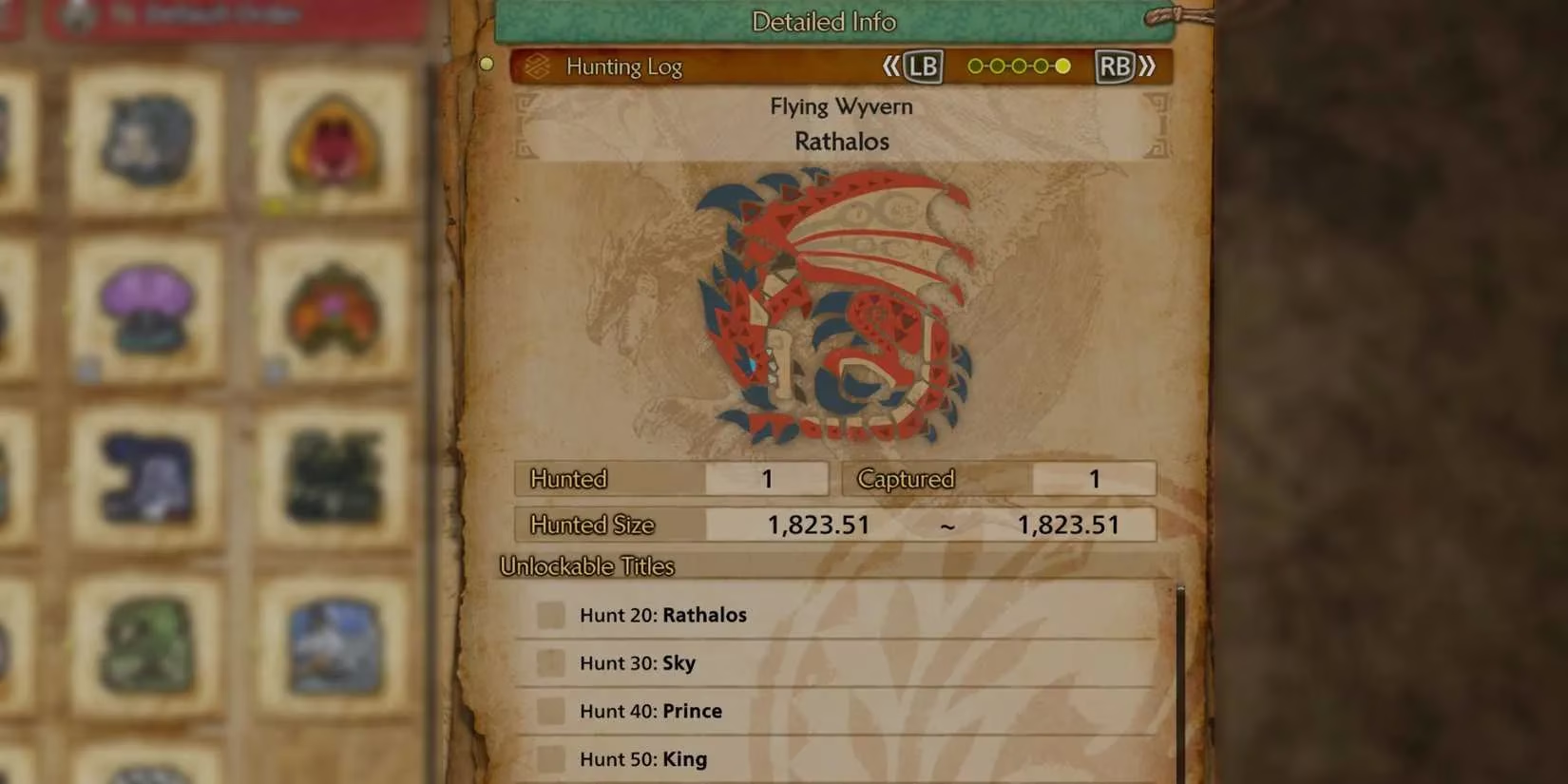
Monster Hunter Wilds also awards Titles after a certain number of hunts. The Rathalos Titles are:
| Hunts | Title |
|---|---|
| 20 | Rathalos |
| 30 | Sky |
| 40 | Prince |
| 50 | King |
Final Tips
Rathalos rewards preparation more than reckless damage. Bringing Fireblight and Poison cures, Flash Pods, traps, Dung Pods, and Earplugs gear addresses most of the fight's major problems. Thunder or Dragon weapons, plus a reliable status effect, give hunters flexible options. Staying under the monster, watching for fire in its mouth, and respecting its claw attacks turn a chaotic hunt into a manageable one. In 2026, the King of the Skies is still a serious test, but it is far from unbeatable.
Insights are sourced from Polygon, whose game reporting often emphasizes how encounter design rewards observation over button-mashing, a perspective that fits Rathalos especially well in Monster Hunter Wilds, where reading aerial feints, reacting to poison claw pressure, and choosing safe punish windows under the body are more important than chasing constant damage.