
Monster Hunter Wilds has no shortage of strange and wonderful endemic life, but few creatures work as hard as the Rime Beetle. As of 2026, hunters returning to the game for seasonal hunts and completion goals are still tracking down this tiny snowball courier in the Iceshard Cliffs. The beetle is not a threat, not a boss, and certainly not interested in small talk. It is simply clocking in for another shift, pushing a perfectly round snowball toward its nest. Put plainly, it is one of the most charming little workers in the game. 🐞❄️
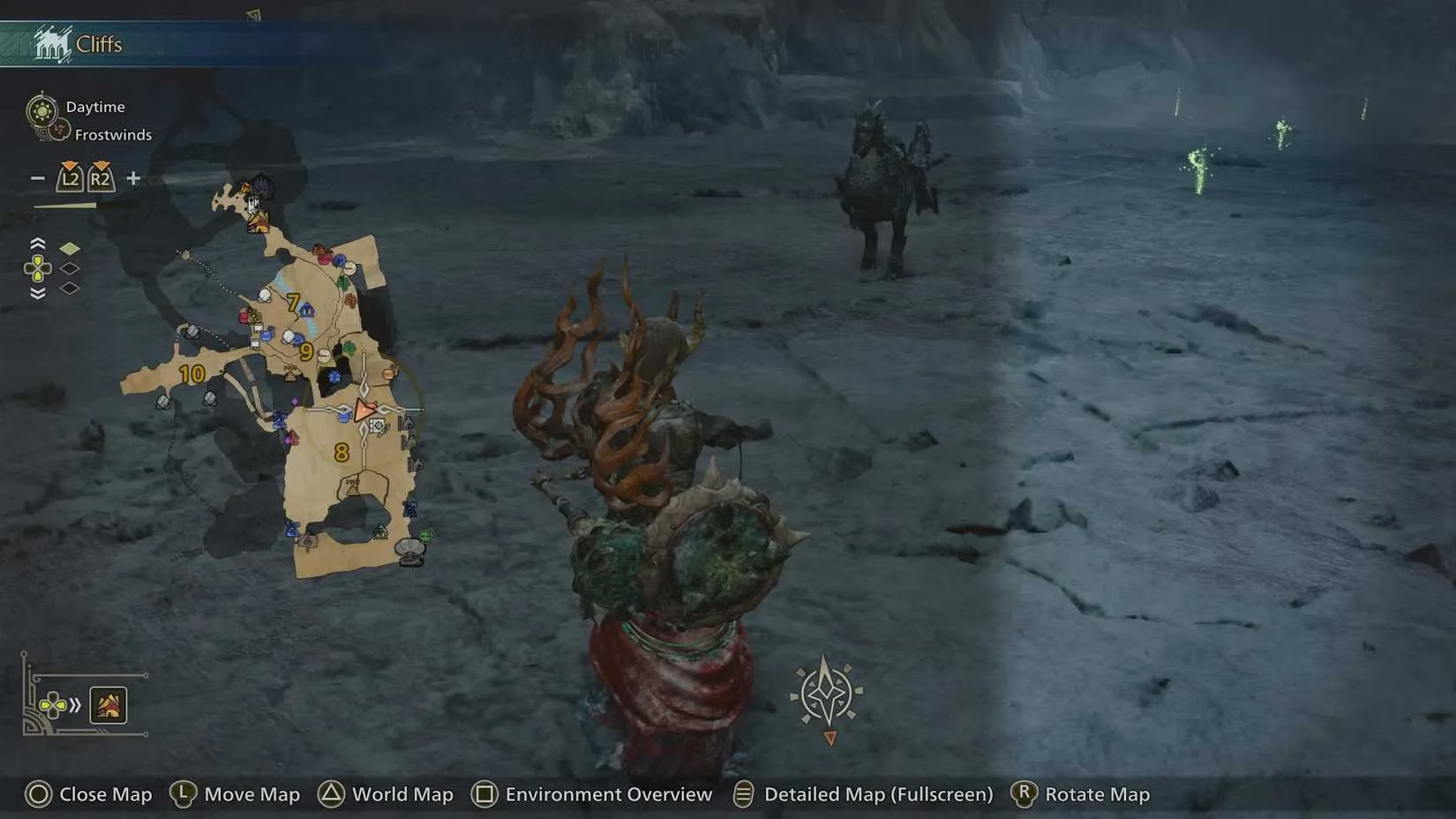
Where to Find the Rime Beetle
Hunters should head to the Iceshard Cliffs and search Area 8. That is where the Rime Beetle can be seen rolling its snowball toward nests in the area. The creature is easy to spot once hunters know what to look for: a small beetle crawling along the floor with a round snowball that somehow never seems to grow in size. It has the air of a stubborn little courier who has been given one job and intends to finish it.
Hunters should not walk up and press the interact button on the beetle. Instead, the reliable method is to use the Capture Net. Hold the left shoulder button, select the Capture Net from the equipment menu with the square/X and circle/B buttons, then press square/X again to ready it. Once the net is equipped, hold the left trigger to aim, place the Rime Beetle inside the capture box, and wait for the box to turn orange. At that point, press the right trigger to fire the net. The Rime Beetle is then added to the Endemic Life Field Guide, and the game awards five points for the capture.
There is one more detail worth knowing. If a hunter decides to take the snowball away from the Rime Beetle by pressing circle/B near it, the creature responds with Frostburst before scurrying away. That little theft is no joke. The beetle may look mild-mannered, but it has a frosty way of expressing displeasure. ❄️
Other Endemic Life in the Iceshard Cliffs
The Rime Beetle is far from the only creature worth adding to the field guide. The Iceshard Cliffs are packed with small life forms and minor monsters, and a careful hunter can fill several entries in one trip. On the walls in the valley between Area 18 and Area 6, a blue-shelled Godbug can be seen glittering in a green aura. Nearby in the same spot, the red Heatmantle Bug looks as though lava might spit from its back at any moment. If a hunter decides to rip an item from this bug by pressing the left trigger and circle/B, the result is a burst of heat. Honestly, the creature has no interest in being a convenient little heater.
Around the area between Area 18 and Area 6, hunters will also find a small monster called the Rafma. This horned creature can be attacked, killed, and carved for either Raw Meat or a Mystery Bone. It is a useful stop for hunters who are gathering materials while also checking off endemic life entries. Other creatures such as Dapperwings and the Ember Rifflizard are also part of the wider Monster Hunter Wilds ecosystem, giving completionists plenty of reasons to slow down and scan the environment.
| Creature | Location | Notes |
|---|---|---|
| Rime Beetle | Area 8, Iceshard Cliffs | Rolls a snowball; capture with the Capture Net for five points; taking the snowball triggers Frostburst |
| Godbug | Walls in the valley between Areas 18 and 6 | Blue shell with a green aura |
| Heatmantle Bug | Same spot near the Godbug | Red body; ripping an item with the left trigger and circle/B causes a heat burst |
| Rafma | Between Areas 18 and 6 | Small horned monster; carve for Raw Meat or Mystery Bone |
| Dapperwings | Iceshard Cliffs | Another endemic life entry for the field guide |
| Ember Rifflizard | Iceshard Cliffs | Another creature to record while exploring |
A Small Creature With a Big Routine
For hunters who are deep into Monster Hunter Wilds in 2026, the Rime Beetle is a reminder that the game rewards patience as much as combat skill. It does not roar, charge, or threaten a hunt. It just pushes its snowball along, minding its own business, while the player lines up a net shot. That quiet routine is part of what makes the Iceshard Cliffs feel alive. The beetle is a tiny worker in a frozen landscape, and its snowball route is one of the more memorable sights in the region. 🧊
Hunters who need the Rime Beetle for the Endemic Life Field Guide should make Area 8 their first stop. Bring the Capture Net, avoid the interact prompt, and watch for the orange capture box. If the snowball disappears into a hunter's inventory instead, expect a quick burst of frost and a very offended beetle scurrying off in a huff. It is a small moment, but it fits the strange, busy ecosystem of Monster Hunter Wilds perfectly.
This overview is based on data from HowLongToBeat, a widely used reference for estimating how long players spend on main objectives, side activities, and completionist goals. For a collectible-focused task like tracking the Rime Beetle in Monster Hunter Wilds, that kind of playtime context helps explain why hunters often combine endemic life captures in the Iceshard Cliffs with broader field guide cleanup and seasonal return visits.