
I have spent enough time in Monster Hunter Wilds to know that a skill description can feel like a riddle written by a monster. Coalescence is one of those skills. Its text promises that I will temporarily gain elemental attack power and status effects after recovering from blights or abnormal statuses, but it never tells me how much, how often, or why I should care. In the 2026 meta, I still see hunters dismiss it because the numbers are hidden. I do not. When I build around it, Coalescence feels less like a simple buff and more like a metabolic dividend paid by the body after it has processed a hostile element.

The first thing I had to learn is that Coalescence is not a switch I can flip whenever I want. It triggers only when my hunter naturally recovers from a blight or an abnormal status. If I eat a Nulberry or use another status recovery item, the skill does not activate. That distinction matters because it turns Coalescence into a timing skill rather than a maintenance buff. It is a lockpick that only turns after the door has already been forced open. I have to let the ailment run its course, survive the pressure, and then cash in the reward.
What surprised me is that skills which reduce the intensity and duration of blights and status buildup do not conflict with Coalescence. In practice, that means I can soften the punishment without cancelling the payoff. I can build for comfort and still get the buff. That is a rare bit of generosity in a system that often asks me to choose between safety and damage.
The Hidden Numbers Behind the Buff
Coalescence has three levels, and each one increases elemental damage and status buildup while active. The exact percentage is not a single universal number. It varies by weapon, and the skill description gives no hard values at all. From testing and community consensus, the ranges look like this:
| Level | Elemental Damage and Status Buildup Increase |
|---|---|
| 1 | 5–10% |
| 2 | 10–15% |
| 3 | 15–30% |
On some weapons, I see the lower end of those ranges: roughly 5%, 10%, and 15%. On others, the bonus can reach 10%, 20%, and 30%. This sounds unfair until I remember how Monster Hunter balances weapons through attack speed and motion values. A fast weapon with a smaller percentage can still gain a huge amount of practical damage because it applies elemental hits so often. Overall DPS stays in a sensible place, but the felt experience of Coalescence changes dramatically from one weapon to another.

Elemental Attacks, Status Effects, and the Debuff Problem
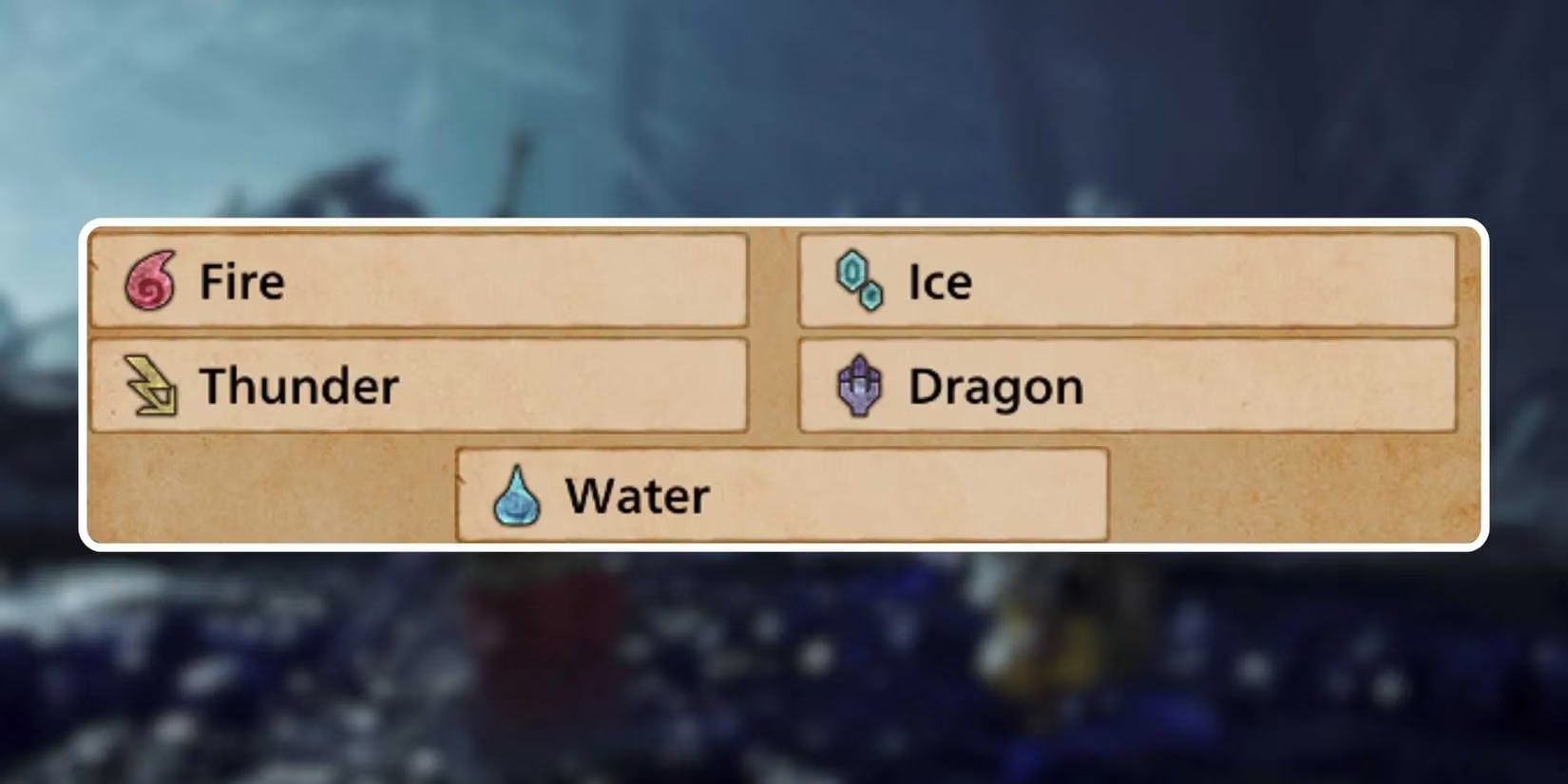
Coalescence can be confusing because Monster Hunter Wilds uses similar language for different systems. Elemental attacks are fire, ice, thunder, water, and dragon. Status effects are sleep, paralysis, and poison. Blights are what I get when a monster hits me with an elemental attack: fireblight, frostblight, thunderblight, waterblight, and dragonblight. Abnormal statuses are the broader category of negative debuffs: stun, poison, paralysis, bleeding, blastblight, resistance down, frenzy, stench, and anything else that makes my hunter worse off.
I cannot reliably inflict an abnormal status on myself with items to cheat the trigger. Toadstool is the classic example. Without Mushroomancer, it is not a usable item in the way I need. With Mushroomancer, it becomes a Potion rather than a debuff, so Coalescence still does not activate. That closes the obvious loophole. I have to earn the recovery through combat, not through inventory tricks.
When Coalescence Actually Shines
Coalescence is best against monsters that deal elemental damage and inflict blights, or against monsters whose status ailments do not completely interrupt the hunt. I avoid building around it against monsters that can stun, sleep, or paralyze me at the worst possible moment. Those statuses stop a hunt in its tracks, and no damage buff is worth a cart. Coalescence is a tuning fork that rings only after the monster has struck the right note. If the note is a full paralysis into a charge, the song is already over.
The best trigger I have found is Frenzy. The Gore Magala set bonus, Black Eclipse, can automatically inflict Frenzy on me when I fight large monsters. That means I do not have to hunt for a convenient hit or deliberately tank an attack. I can start the fight, let Frenzy settle in, and then clear it by attacking the monster a certain number of times. The Antivirus skill makes Frenzy easier to handle and gives Affinity when it is cured. If I am not using that setup, Blight Resistance Level 2 is a wonderful comfort pick because it increases blight status recovery rate by 75%. I still get the natural recovery, but I spend less time suffering.

Weapons and Build Synergy
The weapons that love Coalescence are the ones that already love elemental damage. Fast attack speed weapons are the natural winners: Dual Blades, Insect Glaives, and Charge Blades. On those weapons, the buff feels like a second wind that arrives only after I have actually been winded. I do not mean that as a cliché. I mean that the recovery window becomes part of my damage rotation rather than a pure survival phase. I stop fearing the blight and start budgeting for it.
Coalescence also stacks with Burst, which is one of the better pure-DPS combinations in the game. The catch is commitment. I need to choose armor, talismans, and decorations that support the package. That leaves very little room for defensive skills, and in some matchups that is a mistake. This is a high-risk, high-reward playstyle. When I read the monster correctly, the damage is spectacular. When I misread it, I am a hunter with a beautiful spreadsheet and no health bar.
Coalescence can be equipped through gear, talismans, and decorations, but I do not treat any single armor list as gospel in 2026. I build around the monster, my weapon, and my own tolerance for risk. The skill rewards hunters who understand recovery timing, not just hunters who copy a damage number. That is why I keep coming back to it. It is vague on the surface, but once I learned its rhythm, it became one of the most satisfying skills in Monster Hunter Wilds.